
Service
Drone Large-Surface Cleaning
Systematic coverage of very large surfaces with consistent methodology and measurable progress.
Overview
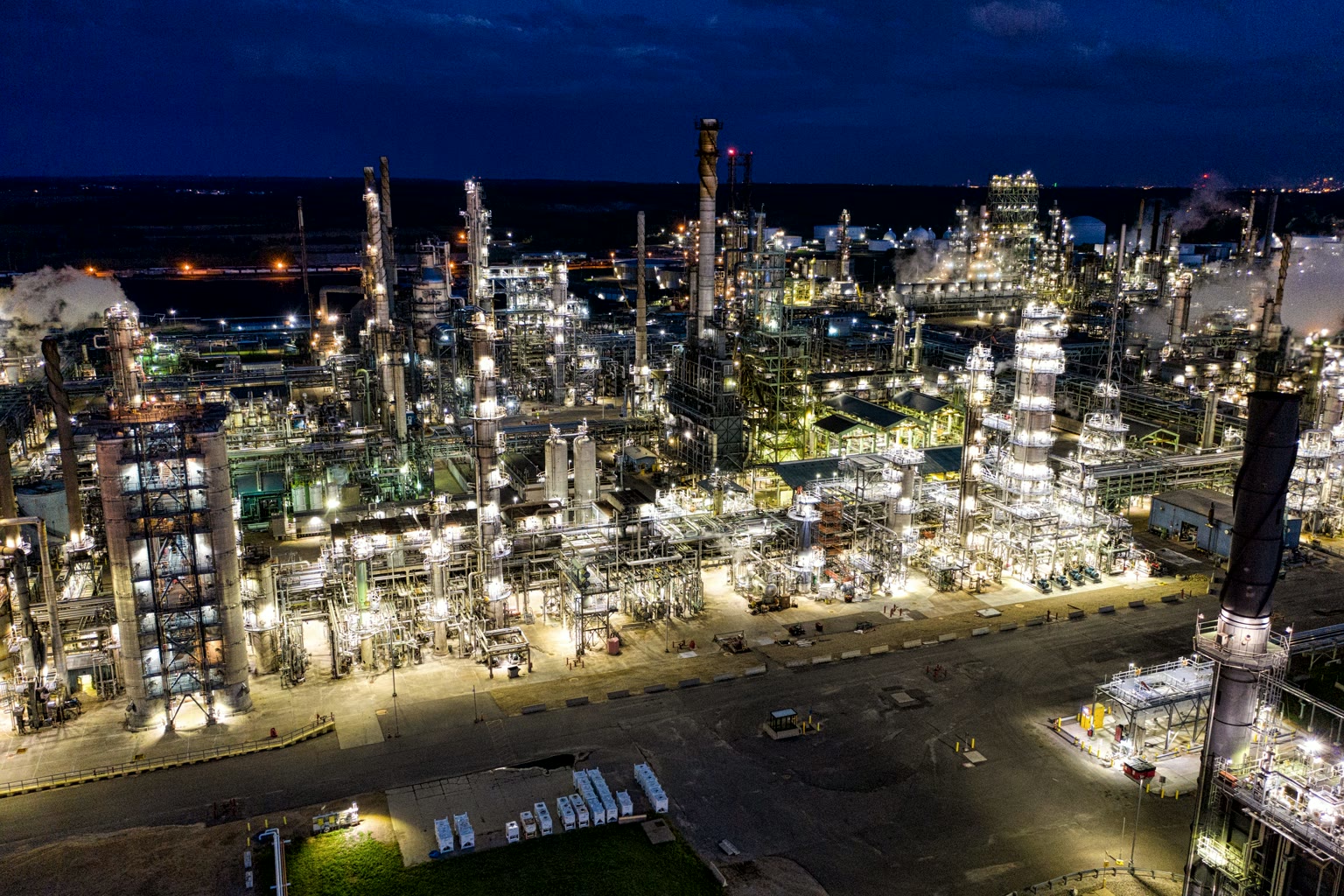
Some projects are defined by scale rather than building type. TERRABONA organises large-surface work with clear segmentation, supply management and uniform quality across the full extent.
Planning focuses on measurable progress, resource management and a consistent result from the first zone to the last.
From a real project
Drone cleaning a glass façade in operation
Suitable surfaces and contamination
Property types
- Industrial campuses
- Exhibition centres
- Sports facilities
- Large public buildings
- Multi-building developments
Structural elements
- Extended elevations
- Large roof areas
- Continuous cladding runs
- Multi-building surface areas
Surfaces
- Metal sheeting
- Glass
- Composite panels
- Other surfaces subject to compatibility review
Contamination
- Widespread dust
- Atmospheric pollution
- Biological growth
- Salt deposits
Methodology
- Surface segmented into working zones
- Resources and supply calculated per zone
- Fixed parameters for a uniform result
- Progress logged per zone
- Final overall uniformity check
Technical parameters
Water and pressure
- Flow calculated for large surfaces and continuous operation.
- Pressure selected per contamination type and cladding material.
- Industrial ground supply system used.
- Available water take-off points confirmed inside the facility.
Cleaning agents
- Products selected for industrial soiling and greasy deposits.
- Compliance with the facility's environmental rules.
- Approval by the client's HSE department.
- Full safety data sheet documentation provided.
Limits and weather
- Flight restrictions above live processes or hazardous zones.
- Thermal plumes and emissions assessed.
- Wind and visibility limits defined per site.
- Airspace and neighbouring infrastructure reviewed.
Access and zones
- Exclusion zones aligned with the facility safety plan.
- Work permits and safety inductions completed before start.
- Coordination with shifts and vehicle movements.
- Controlled take-off points within a secure perimeter.
Environment
- Runoff managed under the facility's environmental permit.
- Drains and collection systems protected.
- Overspray towards live areas controlled.
- Documentation provided for the client's environmental audits.
Operational disruption
- Scheduling around shifts and production.
- Works placed in maintenance windows where possible.
- Interruption to loading operations minimised.
- Daily coordination with the site manager.
Quality control
- Results verified per zone and per contamination type.
- Areas of permanent deposit recorded.
- Before-and-after documentation for each building on site.
- Completion report compatible with the client's maintenance records.
Maintenance
- Annual or six-monthly programmes depending on soiling.
- Framework agreements across facility networks.
- Consistent methodology across multiple sites.
- Centralised documentation for multi-site groups.
Information required for assessment
- Total area and geometry
- Available water take-off points
- Completion window
- Ground equipment accessibility
- Uniformity requirements for the result
Frequently asked questions
How is a uniform result ensured?
Through fixed parameters per zone, trial areas and inspection after each section.
Is there a minimum project size?
No fixed minimum is set. Suitability and commercial logic are examined during assessment.
Assessment
Start your project assessment
Submission of project information does not constitute acceptance, approval or confirmation. Every project is subject to technical, commercial, regulatory, safety and operational assessment.