
Service
Drone Glass and Window Cleaning
Curtain walls and exterior glazing cleaned by specialised drones using purified water, reducing scaffolding dependency where technically appropriate.
Overview
TERRABONA performs exterior glass cleaning using specialised drone systems. The cleaning operation is carried out by the drone itself, supplied by a ground unit delivering controlled purified water, under continuous pilot and observer supervision.
The method suits curtain-wall systems, exterior windows and architectural glazing where conventional access is costly, slow or technically constrained. Suitability for any specific building is confirmed only after technical assessment.
From a real project
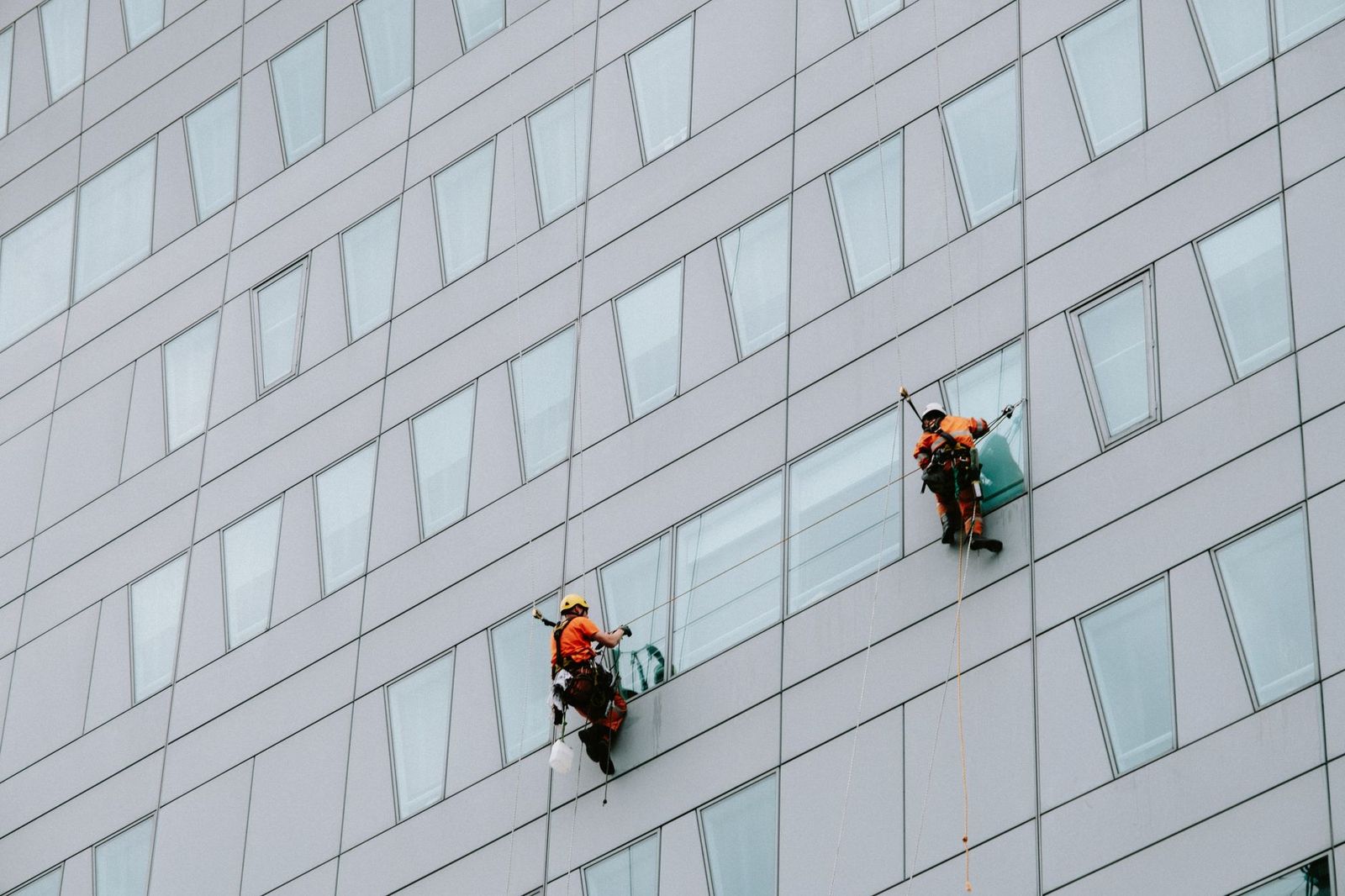
Drone cleaning a glass façade in operation
Suitable surfaces and contamination
Property types
- Office towers
- Hotels and resorts
- Shopping centres
- Hospitals and healthcare buildings
- Mixed-use buildings
- Corporate campuses
Structural elements
- Curtain-wall systems
- Difficult-access glazing
- Atriums where suitable
- Inclined or complex glazing assemblies
- Glazing in recesses and overhangs
Surfaces
- Flat architectural glass
- Coated reflective glass
- External-face low-e glass
- Aluminium frames and sealed joints
Contamination
- Atmospheric dust and soot
- Salt deposits on coastal buildings
- Rain marks and mineral residue
- Pollen and organic residues
- Bird fouling
Methodology
- Technical assessment of building, geometry and airspace
- Trial area completed to confirm the achievable result
- Ground water unit installed with conductivity monitoring
- Exclusion zone and signage established
- Cleaning executed per elevation and per vertical zone
- Final purified-water rinse for spot-free drying
- Inspection and completion documentation
Technical parameters
Water and pressure
- Demineralised or purified water where spot-free results are required.
- Water conductivity verified before and during the operation.
- Low to medium pressure, adjusted per glazing type and coating.
- Ground-based supply system with controlled, monitored flow.
- Available site water supply confirmed, or water delivery planned.
Cleaning agents
- Purified-water-only cleaning preferred where it is sufficient.
- Detergents used only after compatibility review with coatings and seals.
- Trial area completed before any general application.
- All products documented with safety data sheets.
Limits and weather
- Maximum wind limits defined per platform and per site.
- Operations suspended in rain, storms, frost or reduced visibility.
- Surface temperature assessed to avoid rapid drying and streaking.
- Airspace and flight restrictions reviewed before every mission.
- Permits obtained per jurisdiction where required.
Access and zones
- Ground-level exclusion zone established beneath the working area.
- Signage, physical separation and marshals where required.
- Coordination with building management for entrances and pavements.
- Ground station, supply and operator positions kept at safe distance.
- Alternative pedestrian routing during operations.
Environment
- Overspray control planned against prevailing wind direction.
- Protection of vehicles, entrances and adjacent assets.
- Runoff plan directing water to appropriate drainage points.
- Chemical use restricted or excluded near sensitive environments.
Operational disruption
- Scheduling in low-footfall hours or outside operating hours.
- Phased execution per elevation to keep the building in use.
- Advance notification of occupants and users.
- Defined communication channels with facility management.
Quality control
- Visual inspection from ground level and aerial camera after each section.
- Areas requiring a second pass or alternative method recorded.
- Before-and-after photographic documentation per elevation.
- Completion report with dates, conditions and methodology applied.
- Any pre-existing damage observed is recorded and reported.
Maintenance
- Recommended maintenance cycles based on exposure and soiling rate.
- Recurring programmes with consistent methodology and documentation.
- Framework agreements for property portfolios.
- Method updated after any change to surface or surroundings.
Information required for assessment
- Elevation drawings or photographic documentation
- Height and total glazed area
- Glass type and any surface coatings
- Condition of joints and sealants
- Water quality and availability on site
- Airspace restrictions applicable to the location
Frequently asked questions
Does the drone actually clean, or only inspect?
The cleaning operation is performed by the drone itself. TERRABONA does not offer inspection as a standalone service.
Does this remove the need for scaffolding entirely?
Not in every project. On suitable buildings the need for temporary access structures may be significantly reduced, but this is determined only after assessment.
Are detergents used on glass?
Purified water alone is preferred. Detergents are applied only after compatibility review and a trial area.
Can the building stay in use during the works?
In most cases yes, using phased works, exclusion zones and coordination with property management.
Assessment
Start your project assessment
Submission of project information does not constitute acceptance, approval or confirmation. Every project is subject to technical, commercial, regulatory, safety and operational assessment.